

Whole Home Remodeling: How to Coordinate Kitchens, Baths, and Basements
Taking on a whole home remodeling project is one of the biggest investments a homeowner can make, and it requires careful planning across multiple spaces to get right. When kitchens renovations, bathroom remodels, and basement remodeling are undertaken together under a shared plan, the result is a home that looks consistent, functions better, and avoids the patchwork feel that comes from updating rooms years apart.
Key Takeaways
- Plan all spaces together. A shared design direction across kitchens, bathrooms, and basements prevents inconsistencies and repeated work.
- Coordinate finishes across rooms. Consistent flooring, hardware, and color choices throughout the home reduce costly last-minute changes.
- Budget for the unexpected. Hidden issues like outdated wiring, aging plumbing, or moisture problems are common once walls come down.
- Sequencing matters. Completing rough work before finish work in every space protects timelines, cost, and quality.
- One contractor keeps things simpler. A single point of contact for the full scope reduces scheduling conflicts and miscommunication.
- Include the basement in your planning. Finishing it alongside other renovations is more efficient than returning to it as a separate project later.
Why Full Home Renovations Work Better as One Project
Many homeowners approach renovation piecemeal, updating the kitchen one year, a bathroom the next, and the basement somewhere down the road. While that approach is sometimes necessary, it tends to create design inconsistencies, repeated labor costs, and construction disruption stretched over several years. When all three spaces are planned together, materials can be ordered at the same time, tradespeople can be scheduled more efficiently, and finish decisions made in one room can be applied across the others.
There is also a mechanical case for tackling everything at once: electrical, plumbing, and HVAC systems run through every level of a home. Addressing them during a full home remodeling project means you are not opening walls twice or paying for the same labor under separate contracts. Complete home renovation contractors experienced in multi-room projects understand how to sequence this work so one trade does not hold up another.
For homeowners in communities like Grand Rapids, Kentwood, and Wyoming, MI, working with a contractor who manages the full scope of a project, rather than hiring separately for each space, keeps the process organized and reduces the chance of miscommunication between trades.
Planning the Kitchen: The Starting Point for Whole House Remodeling
The kitchen is typically the most visible and heavily used room in a home, which makes it a practical starting point for any whole house remodeling project. Finish decisions made in the kitchen, from cabinet styles to countertop materials to flooring, often carry through to other spaces and set the tone for the rest of the renovation. When planning a kitchen remodel as part of a larger project, there are several areas to work through early:
- Layout and flow: Decide whether the current layout works or if walls need to move. An open-concept kitchen that connects to a living or dining area requires structural planning before any finish work can begin.
- Cabinetry: Custom cabinetry takes time to fabricate, sometimes several weeks or more depending on the manufacturer. Ordering early keeps the project from stalling at the installation phase.
- Countertops: Materials like quartz, granite, and butcher block each have different maintenance requirements and price ranges. The right choice depends on how the kitchen is used day to day.
- Lighting: A combination of overhead fixtures, under-cabinet lighting, and task lighting improves both function and the overall look of the space.
- Flooring: Tile, luxury vinyl plank (LVP), and hardwood are all common kitchen flooring options. How the kitchen floor transitions into adjoining rooms should factor into the decision.
Keeping Finishes Consistent Across the Home
A common issue in whole home remodeling is selecting kitchen finishes without considering how they connect to the rest of the house. If the kitchen uses warm wood tones and matte black hardware, carrying those same elements into the bathrooms and basement creates a consistent look throughout. Kitchen remodeling services that include finish selection guidance can help you make choices that work across multiple spaces rather than just within one room.
Bathroom Renovations: Planning for Function First
Bathrooms involve a high concentration of decisions in a small space. Tile layout, fixture placement, lighting, ventilation, and storage all need to be worked out before installation begins, and mistakes are expensive to undo. In a full home renovations project, updating multiple bathrooms at the same time also creates an opportunity to address plumbing that may be aging or undersized.
Primary Bathrooms
A primary bathroom remodel typically involves the largest scope and the most material choices. Common upgrades include walk-in tile showers with frameless glass enclosures, freestanding or built-in soaking tubs, double vanities with integrated storage, heated flooring, and improved ventilation to manage moisture over time. Because this bathroom sees the most daily use, material durability and layout practicality should take priority alongside appearance. Bathroom remodeling services that cover accessibility features, custom storage, and full fixture replacement can help you plan a primary bath that works for your household long-term.
Secondary and Guest Bathrooms
Secondary bathrooms often share plumbing walls with the primary bathroom or kitchen, which can make updates more cost-effective when all spaces are being renovated at the same time. Even straightforward updates, like replacing a vanity, refreshing tile, and swapping out fixtures, meaningfully improve these spaces without the full expense of a primary bath renovation.
| Bathroom Type | Common Upgrades | Typical Scope |
|---|---|---|
| Primary / Master | Full tile shower, soaking tub, double vanity, custom storage | High |
| Secondary / Family | New vanity, updated tile, fixture replacement | Moderate |
| Guest / Half Bath | Vanity, toilet, lighting, paint | Lower |
| Basement Bathroom | New rough-in, fixtures, tile, ventilation | Moderate to High |
When planning multiple bathrooms within a whole home remodeling project, rough plumbing and electrical should be completed in all spaces before tile and fixtures go in anywhere. This keeps tradespeople out of finished areas and reduces the risk of damage to completed work.
Basement Finishing: Adding Usable Space to Your Home
An unfinished basement represents square footage that already exists within the home's footprint but is not contributing to daily living. Converting it into a finished space, whether a family room, home office, guest suite, or recreational area, adds practical use without the cost of building an addition. When a basement finish is planned alongside a kitchen and bathroom renovation, there are real efficiencies to be gained.
Structural work on the main floor can affect the basement ceiling and framing below it, so doing both at the same time avoids reopening completed work. HVAC, plumbing, and electrical systems also originate or pass through the lower level, and addressing them while they are already part of the active project scope is more efficient than returning to them separately. Moisture assessment is another reason to start the basement early: any water intrusion or drainage issues should be identified and corrected before framing and drywall go up.
What a Basement Finish Typically Includes
A standard basement renovation involves framing, insulation, moisture-resistant drywall, flooring suited to below-grade conditions, lighting, and ventilation. Depending on the intended use, it may also include a bathroom rough-in, a wet bar or kitchenette, built-in shelving or cabinetry, and a dedicated HVAC zone. Egress requirements, ceiling heights, and local building codes will shape what is feasible in any given space.
Homeowners in areas like Rockford and Cascade/Forest Hills working on whole house remodeling projects often include basement finishing as part of the overall scope to make full use of the renovation timeline. Basement remodeling services covering layout planning, moisture control, and full finishing can help you understand what is practical for your specific lower level.
Sequencing Your Whole Home Remodel
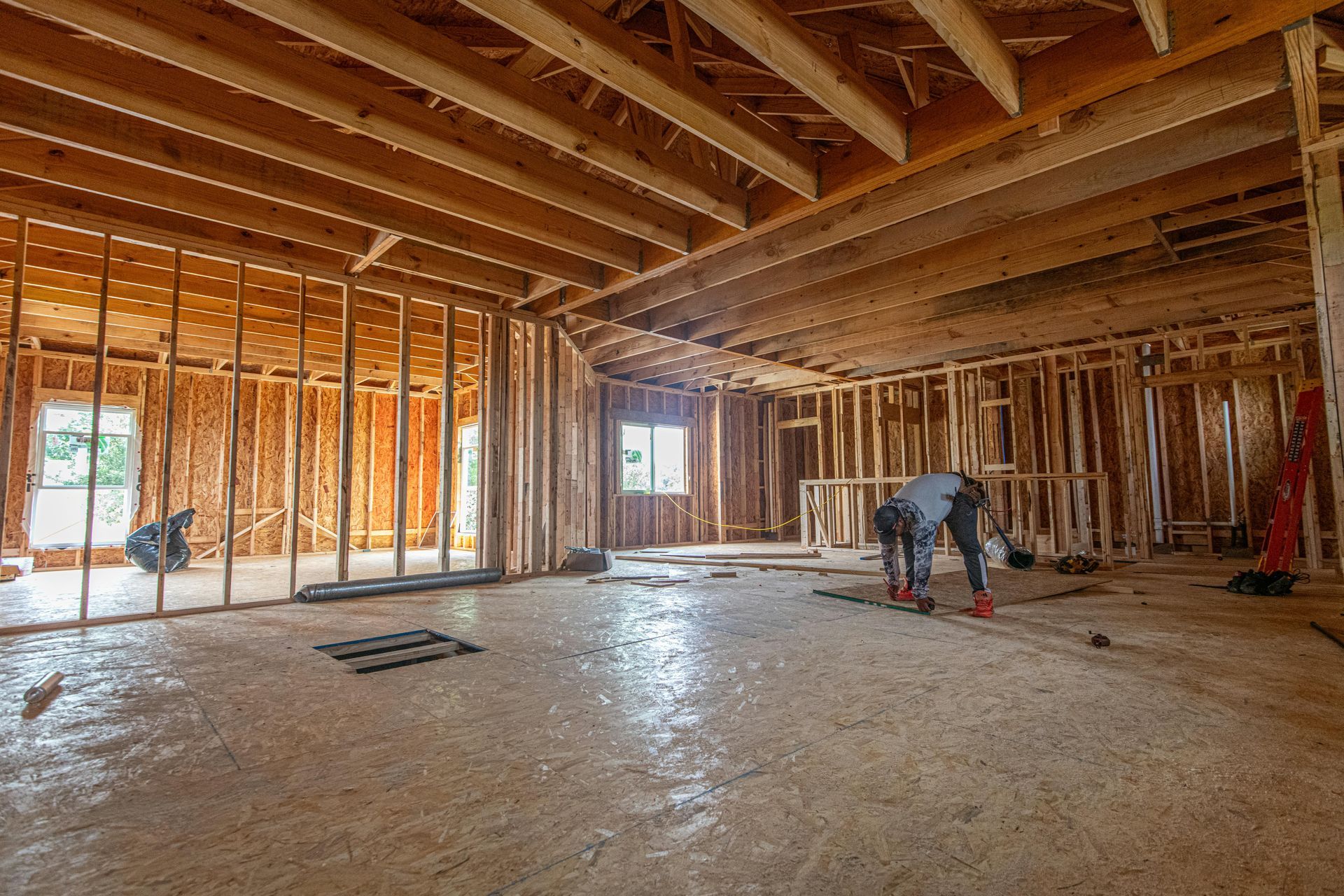
Managing the order of work across multiple spaces is one of the more practical challenges in whole home remodeling. Work completed out of sequence leads to damaged finishes, rework, and added cost. The general approach is to complete all rough work before any finish work begins, and to work from the top of the house downward.
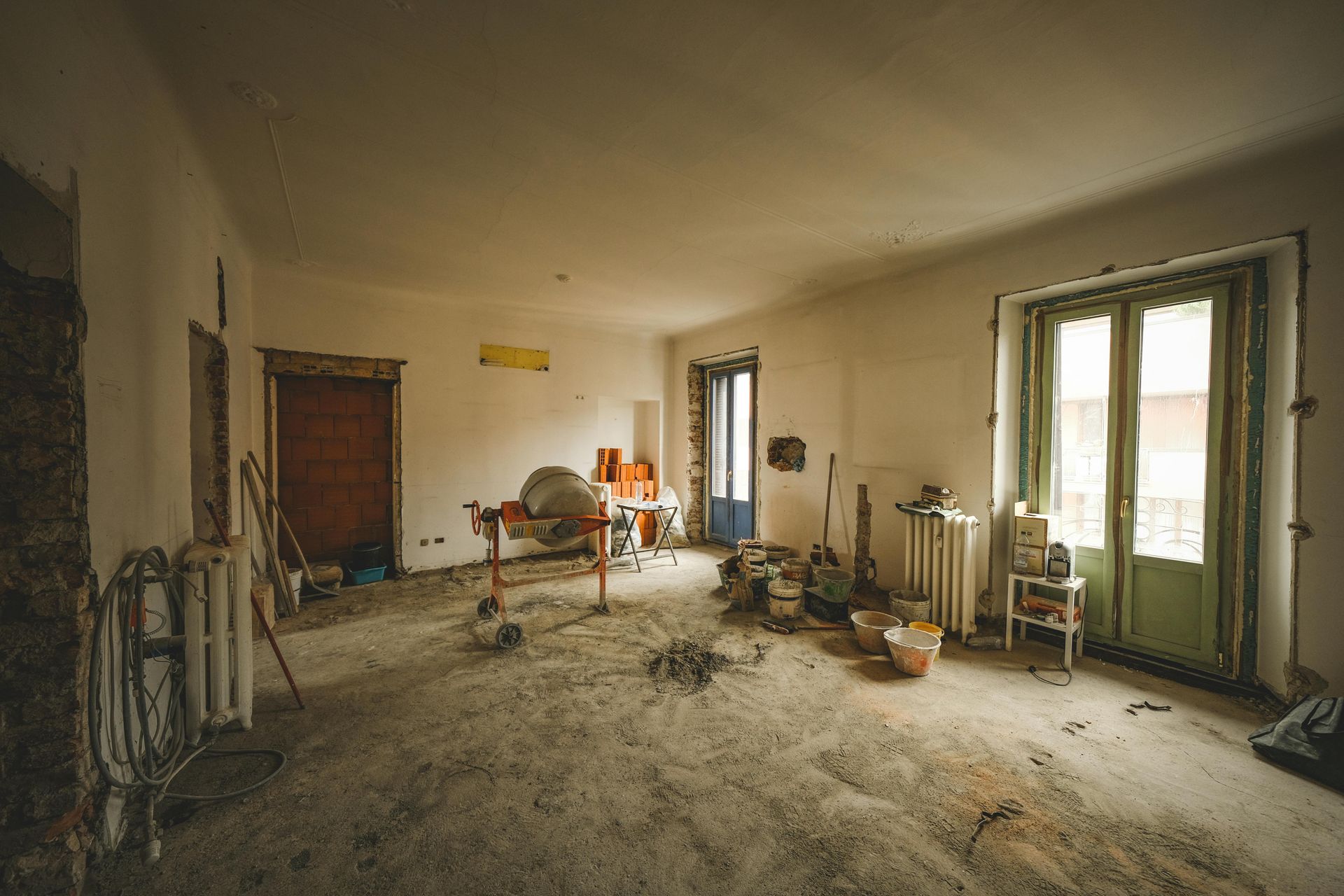
Demolition and structural changes happen first across all spaces before any trade begins rough work. Rough plumbing, electrical, and HVAC modifications follow, with all mechanical rough-ins completed and inspected before insulation and drywall close up the walls. Once walls are closed, priming and painting happen before cabinets and tile so finish coats are not damaged during installation. Cabinetry goes in next, followed by tile in bathrooms and the kitchen backsplash. Countertops are templated after cabinets are fully set and level. Flooring goes in toward the end, starting at the upper floors and working down to the basement. Fixtures, trim, and hardware are installed as the final step in each room.
Complete home renovation contractors who regularly manage multi-room projects build this sequence into the project plan from the start, accounting for material lead times and trade availability so work does not stall between phases.
What to Look for in Complete Home Renovation Contractors
Choosing the right contractor is one of the most important decisions in any full home renovations project. The wrong fit leads to miscommunication, cost overruns, and quality problems that are difficult to correct after the fact. When evaluating potential contractors, a few things are worth examining closely:
- Licensing and insurance: A properly licensed and insured contractor is a baseline requirement for substantial remodeling work. In Michigan, state licensing is required for residential builders and maintenance and alteration contractors.
- Experience across multiple trades: Whole home remodeling involves plumbing, electrical, framing, tile, cabinetry, and flooring. Contractors with direct experience managing all of these disciplines are better positioned to keep a multi-room project on schedule. A look at a contractor's handyman and remodeling services can give you a clear picture of how broad their scope of work actually is.
- Detailed written estimates: A clear, itemized estimate before work begins gives you a realistic picture of costs and makes it easier to manage the budget if conditions change.
- Clear communication: Knowing who your point of contact is, and how quickly they respond, matters more than many homeowners expect. Owner-operated businesses often provide more consistent day-to-day communication than larger operations.
- Familiarity with local codes and permits: Contractors who work regularly in your municipality understand local permit requirements and inspection processes, which keeps the project moving without delays.
For homeowners across West Michigan, from
Ada and Comstock Park
to the broader Grand Rapids metro, finding a contractor with hands-on experience in full home renovations and a clear process for multi-room scopes is worth taking the time to research.
Frequently Asked Questions
How long does a whole home remodeling project typically take?
Timeline depends on the scope of work, home size, and material lead times, but multi-room projects covering a kitchen, bathrooms, and a basement commonly run several months from demolition to completion. Projects with structural changes or custom materials tend to take longer than standard finish updates.
Should I move out during a full home renovation?
It depends on how much of the home is under active construction at one time. If the kitchen and multiple bathrooms are all in demolition or construction simultaneously, staying in the home is often impractical and can slow progress.
How do I keep costs under control during whole house remodeling?
Start with a well-defined scope and a realistic budget, and set aside a contingency for common unexpected conditions like outdated wiring or concealed moisture damage. Avoiding scope changes once work is underway is one of the most reliable ways to prevent costs from climbing.
Can I remodel the kitchen, bathrooms, and basement at the same time?
Yes, and in many cases it is more practical to do so. Running rough work phases for all three spaces together reduces the total days tradespeople are on-site and avoids repeating mobilization costs.
What permits are required for a whole home remodeling project?
Requirements vary by municipality, but structural changes, electrical upgrades, plumbing work, and basement finishing that adds habitable space typically require permits. Your contractor should handle pulling the necessary permits and scheduling required inspections.
Final Thoughts
Whole home remodeling takes real planning, but tackling kitchens, bathrooms, and basements together under a coordinated scope produces better results than updating each space separately over time. With the right sequencing, consistent finish selections, and a contractor who manages the full project, the process is more manageable than most homeowners expect.
Ready to start planning your renovation? Whether you are updating one room or the whole house, we work with homeowners across West Michigan to bring their remodeling projects together from start to finish. Reach out today to talk through your project and get a free estimate.
Reference:
https://www.epa.gov/iaq-schools/heating-ventilation-and-air-conditioning-systems-part-indoor-air-quality-design-tools
You might also like