

Home Addition Contractors in Michigan: What to Expect from Design to Build
Undertaking a home addition project in Michigan requires partnering with experienced professionals who understand local building codes, permit requirements, and seasonal construction challenges. Whether you're considering a master suite, family room, or kitchen expansion, the journey from initial design to completed construction involves multiple phases that require careful planning, proper permits, and skilled craftsmanship.
Key Takeaways
- Licensing verification is essential - Michigan requires residential builders to hold valid state licenses for structural work, and homeowners should verify credentials before hiring
- Permits are mandatory for most additions - All structural additions in Michigan require building permits, with costs typically ranging from $500 to $2,500 depending on project scope and municipality
- Weather impacts construction timelines - Michigan's climate affects scheduling, with foundation work ideally completed before winter and exterior work planned around seasonal conditions
- Local expertise provides value - Contractors familiar with Michigan building codes, municipal requirements, and regional architectural styles deliver smoother project execution
- Quality materials matter for longevity - Michigan's temperature fluctuations and moisture conditions require proper insulation, weatherproofing, and material selection for lasting results
- Communication and project management - Clear timelines, regular updates, and transparent pricing help ensure successful completion within budget and schedule expectations
Understanding Michigan's Permit Requirements
Home additions in Michigan fall under the Michigan Building Code and require building permits for any structural work, including bedroom additions, kitchen expansions, or bathroom additions. The permit process begins with submitting detailed construction drawings that show floor plans, elevations, structural details, and mechanical systems to your local building department.
Permit costs typically range from $500 to $2,500, depending on project size and jurisdiction, with larger cities like Ann Arbor charging more than smaller townships. Your contractor should handle this process, as they understand the specific requirements for each municipality and maintain relationships with local building departments that facilitate efficient reviews.
The application requires property surveys confirming additions comply with setback requirements and don't encroach on easements or property lines. Review periods typically span 2-6 weeks as building officials examine plans and verify code compliance, with complex additions or second-story additions potentially requiring structural engineer stamps that add to review timelines.
Required Documentation for Permits:
- Completed building permit application with project details
- Two sets of construction documents drawn to scale
- Site plan showing dimensions and building location
- Property survey verifying setback compliance
- Contractor licensing and insurance documentation
Selecting the Right Addition Contractor
Choosing qualified home addition contractors in Michigan requires verifying their credentials and experience with similar projects. Michigan law requires anyone engaged in residential construction to be licensed as a Residential Builder with the Department of Licensing and Regulatory Affairs, and you should verify this licensing through the state's online portal.
Professional contractors like Hur-Q-Leys Handyman Service demonstrate the value of working with licensed, owner-operated businesses that provide personalized attention throughout the construction process. Their approach involves direct communication with Brett Hurley, ensuring consistent quality standards and clear communication from initial consultation through project completion.
When evaluating potential contractors, consider their experience with additions similar to yours, their familiarity with local building codes, and their ability to manage the entire process from permits through final inspection. Request references from recent clients and verify their insurance coverage to protect against potential liability issues during construction.
Essential Contractor Qualifications:
- Valid Michigan Residential Builder license
- Comprehensive liability and workers' compensation insurance
- Local building department relationships for efficient permitting
- Portfolio of completed additions in your area
- Clear communication protocols and project management systems
Design Phase and Planning Process
The design phase establishes the foundation for your entire project, determining how the new space integrates with your existing home's structure and systems. Professional addition contractors begin with a thorough assessment of your current home, evaluating structural capabilities, mechanical systems, and architectural style to ensure seamless integration.
During this phase, your contractor should address critical considerations, including foundation requirements, HVAC system capacity, electrical panel adequacy, and plumbing connections. Poor transitions between new and existing spaces create long-term frustrations, like uneven floors, temperature inconsistencies, or mismatched finishes, making this planning phase crucial for long-term satisfaction.
The design process typically involves multiple consultations to refine layouts, select materials, and establish realistic budgets and timelines. Experienced contractors provide detailed cost breakdowns that account for materials, labor, permits, and potential unexpected conditions that commonly arise during construction.
Understanding Home Addition Cost Factors
Southeast Michigan homeowners planning additions typically invest between $45,000 and $175,000, depending on project scope, materials, and finishes. Several factors significantly impact these costs, and understanding them helps establish realistic budget expectations.
Adding more space to your home will be priced by the square foot, with costs falling in the range of $200 to $600 per square foot, with the average cost for Michigan homes being $260 per square foot. However, this varies considerably based on the type of addition and required systems.
Cost Breakdown by Addition Type:
| Addition Type | Typical Cost Range | Key Cost Factors |
|---|---|---|
| Bedroom (12×14) | $60,000 - $95,000 | Closet space, electrical, flooring |
| Master Suite | $85,000 - $150,000 | Private bathroom, luxury finishes |
| Bathroom Addition | $45,000 - $75,000 | Plumbing, fixtures, ventilation |
| Kitchen Expansion | $75,000 - $140,000 | Appliances, cabinetry, utilities |
Foundation requirements significantly impact total costs, with full basement foundations adding $15,000 to $25,000 compared to crawl spaces or slab foundations. Michigan's climate necessitates proper insulation and weatherproofing, which adds to initial costs but provides essential year-round comfort and energy efficiency.
Material selections dramatically affect pricing, with choices between builder-grade and luxury finishes creating substantial cost differences. Geographic location within Michigan also influences pricing, with additions in areas like Birmingham or Northville typically running higher than similar projects in smaller communities.
The Construction Timeline and Process
Michigan's construction timeline depends heavily on seasonal considerations and project complexity. Most contractors recommend starting foundation work in spring or early summer to ensure completion before winter weather affects construction schedules. The typical addition construction process follows distinct phases, each requiring specific inspections and approvals.
Phase 1: Pre-Construction (2-4 weeks) Site preparation begins with utility marking and any necessary excavation. Your contractor handles final permit approvals and orders materials based on approved plans. This phase includes establishing construction access, temporary utilities, and project staging areas.
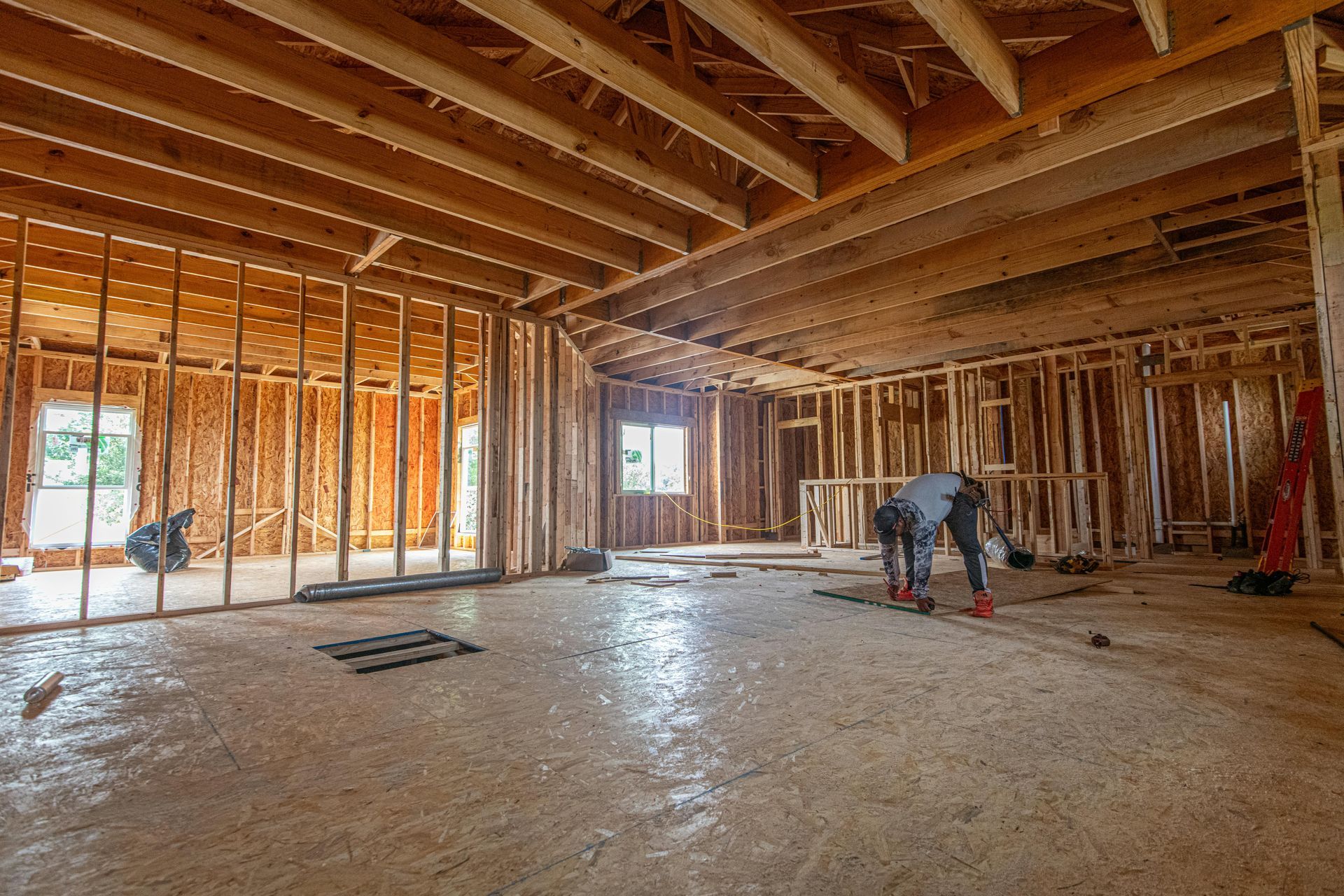
Phase 2: Foundation and Framing (3-6 weeks) Foundation work requires inspection after excavation for footings is done and reinforcements are in place, followed by concrete pouring and curing time. Framing follows foundation completion, establishing the addition's structural skeleton and requiring inspection before proceeding to the next phase.
Phase 3: Systems Installation (2-4 weeks) Electrical, plumbing, and HVAC rough-in work occurs during this phase, with each system requiring separate inspections before walls can be closed. Insulation installation follows approved rough-in inspections, preparing for drywall installation.
Phase 4: Finishing Work (4-8 weeks) Interior and exterior finishing includes drywall installation, flooring, cabinetry, trim work, and final fixture installation. This phase often takes longer than anticipated due to the detailed nature of finishing work and coordination between different trades.
Phase 5: Final Inspections and Completion (1-2 weeks) Final inspections verify all work meets code requirements and matches approved plans. The contractor addresses any inspection requirements and completes final cleanup before conducting a walkthrough with you to ensure satisfaction with completed work.
Managing Weather and Seasonal Challenges
Michigan's climate presents unique challenges for home addition construction that experienced contractors plan around carefully. Winter construction significantly impacts schedules and costs, making timing considerations crucial for project success.
Foundation work requires protection from freezing temperatures, and concrete curing may require special additives or heating systems during cold weather. Exterior work becomes challenging during winter months, potentially extending project timelines if weather-dependent phases encounter delays.
Smart contractors schedule projects to complete weather-sensitive work during favorable seasons while moving interior finishing work to winter months when exterior conditions limit other construction activities. This approach maintains steady progress while adapting to Michigan's seasonal limitations.
Quality Assurance and Code Compliance
Michigan's building codes ensure structural safety and energy efficiency, but require contractors who understand current requirements and inspection processes. Building permits and inspections ensure that structures in the state all follow the same Michigan Building Code, protecting Michigan homeowners and ensuring the homes they live in are safe and well-built.
Professional contractors maintain current knowledge of code changes and work proactively with building inspectors to ensure compliance throughout construction. This includes understanding specific requirements for insulation, vapor barriers, electrical systems, and mechanical ventilation that affect addition projects.
Quality contractors provide detailed documentation throughout construction, maintaining records of inspections, material certifications, and any changes from original plans. This documentation proves valuable for future home sales and provides warranty protection for completed work.
Communication and Project Management Excellence
Successful addition projects depend on clear communication and effective project management throughout construction. Professional contractors establish communication protocols that keep you informed of progress, address concerns promptly, and manage any unexpected situations that arise during construction.
Companies like Hur-Q-Leys Handyman Service demonstrate the value of owner-operated businesses where you work directly with the person responsible for your project's success. This direct relationship ensures consistent quality standards and eliminates communication barriers that can complicate larger contractor organizations.
Effective project management includes regular progress updates, prompt addressing of any issues or changes, and transparent handling of any additional costs or timeline adjustments that become necessary during construction.
Frequently Asked Questions
What home repair skills to learn before buying a house should I prioritize?
How long does the permit approval process take for home additions in Michigan? Review periods typically span 2-6 weeks as building officials examine plans and verify code compliance. Complex additions or projects requiring structural engineer stamps may take longer for approval.
How long does the permit approval process take for home additions in Michigan?
Review periods typically span 2-6 weeks as building officials examine plans to verify code compliance. Complex additions or projects requiring structural engineer stamps may take longer for approval.
Can I really save money by doing DIY home repairs?
Yes, particularly for straightforward repairs like those covered in this guide. A faucet repair that costs $50-100 for a service call takes 30 minutes yourself. Drywall patching saves hundreds compared to professional rates. However, don't sacrifice quality or safety to save money. Mistakes in complex repairs often cost more to fix than hiring a professional initially.
Where do I find instructions for specific repairs?
Reputable online resources, manufacturer websites, and video tutorials provide detailed guidance for most common household repairs and solutions. Visit your local library for repair manuals or consult hardware store staff who often have expertise in specific brands. Always verify information from multiple sources and ensure instructions match your specific situation.
What should I do if a repair goes wrong?
Stop immediately and don't attempt to continue. Document what happened with photos. For plumbing or electrical issues, turn off relevant systems at the main shut-off or breaker. Contact a professional and explain what occurred. Being honest about the situation helps the professional understand the problem and address it safely.
Final Thoughts
Working with qualified home addition contractors in Michigan requires understanding the complete process from design through construction completion. Success depends on selecting licensed professionals who manage permits efficiently, understand local building codes, and maintain clear communication throughout your project. By choosing experienced contractors familiar with Michigan's unique requirements and seasonal challenges, you ensure your addition project delivers lasting value while meeting your family's needs for expanded living space.
Ready to take on these repairs but need professional guidance? Contact our team for expert advice or let us handle it for you
References:
https://www.a2gov.org/news/posts/enforcement-of-2021-michigan-building-code-begins-may-1-2025/
You might also like